


Why Buying Bulk Ammunition Saves You More Than Money
Buy Ammo By The Case Now For Maximum Savings And Instant Delivery
Why settle for a few boxes when ammo by the case puts your shooting future in one decisive move? A case 6mm Remington Ammo for Sale delivers a fixed, bulk quantity—typically 500 to 1,000 rounds—in a single sealed package, ready to feed your rifle or pistol for months of training. You load your magazines straight from the case, store it dry and upright, and draw down a steady supply without ever rationing your last hundred rounds. It’s the blunt, practical way to keep your weapon hot and your range time unlimited.
Why Buying Bulk Ammunition Saves You More Than Money
Buying ammo by the case saves more than money because it builds consistent muscle memory. When you purchase a full case, you lock in a single lot number, meaning every round shares identical powder charges and bullet seating. This uniformity allows your firearm’s zero to remain stable across thousands of rounds, eliminating the point-of-impact shifts that plague shooters mixing boxes from different production runs. You also eliminate the psychological tax of rationing; with a case on hand, you can freely practice failure drills or magazine dumps without calculating per-shot cost. That mental freedom translates into faster target acquisition and smoother reloads under stress. Bulk buying reduces the frequency of dry-fire-only sessions, because you’ll actually train with live ammunition. Ultimately, cases provide the volume needed to ingrain reliable, repeatable shooting habits that cheaper, scattered boxes cannot deliver.
How Per-Round Costs Drop When You Purchase a Full Case
Buying ammo by the case flips the math in your favor because the per-round cost drops noticeably the moment you move past individual boxes. Retailers price boxes with overhead baked in—packaging, handling, shelf space—but a full case (usually 500 to 1,000 rounds) skips most of that, so you’re paying closer to raw material plus a slim margin. For example, a 50-round box of 9mm might run $14, while a 1,000-round case often lands around $240, cutting the cost from 28 cents to 24 cents per round. *That 4-cent difference seems small until you stack it across several range sessions, where it funds a whole extra box of ammo.*
Q: Why does a full case lower per-round cost more than buying two or three boxes? A: Because case pricing triggers a wholesale tier—you pay for bulk packaging, not repeated retail markups, and shipping gets amortized over more rounds, so each bullet costs less even with freight included.
The Hidden Convenience of Never Running Dry at the Range
The primary logistical advantage of buying ammo by the case is the elimination of the «last box» anxiety, which directly extends your range session without a mid-bracket retail interruption. When you arrive with multiple sealed cases, your training cadence remains unbroken because you never calculate whether remaining cartridges justify another magazine drill. This uninterrupted range workflow transforms practice from a rationed exercise into a fluid, deliberate process, as you can freely burn through hundreds of rounds on failure drills without checking your bag. Moreover, having reserve stock physically present means you absorb the cost of a bad zero or windy sight-in session without sacrificing your primary drill list, turning a potential premature departure into a productive troubleshooting block. The case, therefore, functions as a psychological buffer, ensuring the only reason you stop is satisfaction, not scarcity.
What a Case Actually Includes (Box Counts, Calibers, and Weights)
A case of ammo typically means a bulk package of 500 to 1,000 rounds, but the exact box counts vary by caliber. For example, 9mm and .223 Remington often ship as 10 boxes of 50, or 20 boxes of 25, depending on the brand. Heavier calibers like .308 or .45 ACP might come in fewer total rounds—often 200 or 400—because of weight. A full case of 1,000 9mm rounds weighs roughly 25–30 pounds, while a case of 500 .308 rounds can tip the scales at over 35 pounds. Understanding box counts and calibers prevents surprise shipping costs and storage issues.
- Confirm the 9.3x62mm Mauser Ammo for Sale round count per box (20, 25, or 50).
- Check total case weight—it affects handling and shelf placement.
- Verify caliber-specific packaging, as bulk .22 LR might come loose-packed in a single box.
Which Caliber and Grain Weight Should You Stockpile in Bulk?
For bulk stockpiling by the case, prioritize the caliber and grain weight your primary firearm actually shoots most often, not what looks impressive on paper. A 55-grain .223 Remington or 5.56 NATO offers the best balance of low recoil, flat trajectory, and affordability per case, making it the rational default for defensive and training volume. If you run a .308 or 6.5 Creedmoor, lock in 147-grain or 140-grain respectively, 9×18 Makarov Ammo for Sale as those standard weights cycle reliably across diverse platforms and sustain accuracy without barrel-stressing overpressure. Do not diversify grain weights in a single case order—split lots create zeroing headaches and wasted range time. Match your stockpiled grain to your zeroing distance (e.g., 55-grain for 100-yard zero, 62-grain only if your barrel twist stabilizes it). The extra cost of premium 77-grain OTM is justified solely if your rifle demonstrates sub-MOA consistency with it, not because it’s “better” on paper. For pistols, a case of 9mm 115-grain or 124-grain—pick one—serves every defensive and practice need, with 124-grain offering a slight edge in suppressed cycling. Buy cases that feed your most-used firearm, and you’ll never waste a box.
Matching Your Firearm’s Twist Rate to the Best Bulk Load
Before you commit to a full case of ammunition, confirm your barrel’s twist rate—it dictates which bullet .50 Cal Ammo for Sale weight your firearm stabilizes best. A fast 1:7 twist handles heavy 77-grain loads with precision, while a slower 1:12 twist prefers lighter 55-grain projectiles for tight groups. Buying a pallet of the wrong grain weight means wasted cash and frustrating keyholing downrange. For bulk stockpiling, match your twist to the heaviest bullet it stabilizes reliably, then buy that weight by the case. This ensures every round performs identically, maximizing your investment. Twist-rate-matched bulk loads deliver consistent accuracy round after round, making your stockpile genuinely battle-ready.

Comparing FMJ, JHP, and Steel-Case Options for Case-Lot Buying
When buying ammunition by the case, your bullet and casing choices directly impact both cost and performance. **Full metal jacket (FMJ) rounds are the clear winner for bulk practice** due to their lower price and reliable feeding, while jacketed hollow points (JHP) should be reserved for defensive stockpiles despite their premium cost. Steel-case options cut per-round expenses further, but they may cause accelerated extractor wear and are less reloadable, making them ideal for high-volume range sessions where brass salvage isn’t a priority. Prioritize FMJ for training volume, a smaller JHP stash for self-defense, and steel-case only when budget dictates maximum round count.
- FMJ delivers the best cost-to-round count ratio for case-lot practice.
- JHP is non-negotiable for defensive loads, even at higher case prices.
- Steel-case saves money but forfeits reloadability and softens extraction reliability.
- Mix case types: brass FMJ for durability, steel for sheer volume.
How to Verify Lot Numbers and Headstamps for Consistency
When buying ammo by the case, check that every box shares the same lot number printed on the flap or side label—a mixed lot indicates inconsistent velocity and pressure. Next, inspect a few cartridge headstamps with a loupe; identical caliber, manufacturer, and year codes confirm a single production run, while mismatched stamps signal repackaged or blended stock. For rimfire, headstamp variations often hide differing priming compounds, so reject cases with multiple stamps. Write the lot and headstamp on your inventory log, then test one box to verify zero shift before committing to bulk storage. Lot number and headstamp verification prevents point-of-impact surprises across your entire case.
Q: How do you verify lot numbers and headstamps for consistency when buying by the case?
A: Open two random boxes and compare the lot number stamped on the box; then pull five cartridges and match headstamp markings—if any differ, the case lacks consistency, so request a sealed Ammunition for Sale case with a single lot and uniform headstamp.
How to Properly Store a Full Case for Long-Term Performance
For long-term performance of a full case, keep it sealed in its original factory packaging, ideally inside a hard plastic or metal ammo can with a rubber gasket. Add desiccant packs to absorb ambient moisture, and never store directly on concrete—place the case on a wooden pallet or shelf to prevent condensation wicking. Maintain a stable, cool environment between 55–70°F; avoid attics or garages where temperature swings cause primer degradation. Flip the case every six months to redistribute the weight and prevent bullet setback in the bottom layers. Most importantly, properly storing a full case means rotating it—shoot and replace oldest stock first so your reserves stay fresh and reliable for years.
Controlling Humidity with Desiccants and Airtight Containers
For long-term case storage, controlling humidity with desiccants and airtight containers prevents corrosion of primers and cases. First, use a sealed ammo can or gasket-lined container, then add reusable silica gel desiccant packs—roughly one pack per 100 rounds—to absorb residual moisture. Before sealing, let the case acclimate indoors for 24 hours to equalize temperature, which minimizes condensation. Check the desiccant’s color indicator monthly; recharge it in a low oven when saturated. Avoid opening the container frequently, as each opening introduces humid air. Do not use rice or chemical moisture absorbers, as they shed dust or oils.
Q: How often should desiccant be replaced in an airtight ammo case?
A: Replace or recharge desiccant whenever its color indicator shows saturation—typically every 3–6 months in high humidity—or immediately after any container opening that reveals dampness.
Rotating Your Stock: Shelf Life, Temperature, and Ammo Can Tips
When buying ammo by the case, implement a strict **first-in, first-out rotation** to prevent age-related degradation, as even sealed primers and powder can slowly break down over decades. Keep cases in a cool, stable environment below 75°F, avoiding attic or garage temperature swings that accelerate propellant deterioration. For opened or partial cases, transfer rounds into airtight ammo cans with desiccant packs, since humidity—not time—is the primary enemy of case life. Mark each can with the purchase date and lot number, then cycle older stock into practice sessions. Avoid storing cans direct on concrete floors, which wick moisture; elevate them on shelving.
Rotate stock by date, store below 75°F, and seal partial cases in marked ammo cans with desiccant to maximize shelf life.
Why Bulk Ammo Keeps Better in Original Packaging vs. Loose Bags
When you buy ammo by the case, leaving those cartridges in their original packaging for long-term storage beats dumping them into a loose bag every time. Factory boxes and trays cradle each round, stopping the brass-on-brass rattling that chips casings and dents soft points. That physical separation also limits moisture from pooling between rounds, while loose bags 9mm Ammo for Sale trap humidity and let cartridges grind together during any movement. Plus, sealed cardboard and plastic retain the factory atmosphere better, slowing oxidization on primers and powder. A loose bag might seem simpler, but it invites friction, sweat, and uneven pressure—none of which help your ammo by the case stay shootable for years.
What to Check Before You Commit to a Case Purchase
Before you commit to a case of ammo, first verify your firearm’s caliber against the box label—a bulk case hides a mismatch until you’re at the range. Next, check the ammunition lot number; a single case from one lot means if you get a bad batch, every round suffers, so ask the seller for the lot’s history. Inspect the case’s packaging for seal integrity—torn cardboard or loose trays mean moisture got in, and corroded primers are the silent killer specialty sports and supply of stored ammo. Also, calculate your actual cost per round after shipping, because a “cheap” case often loses to local boxes once hazmat fees hit. Finally, confirm the crimp and bullet seating by shaking a few rounds—if you hear powder rattle, the charge is inconsistent, and that’s a hard pass on the whole case.

Reading Velocity and Accuracy Data on Bulk Ammunition Test Boxes
Before committing to a case purchase, the velocity and accuracy data printed on a bulk ammunition test box reveals the lot’s consistency. Compare the stated muzzle velocity against your expected ballistics; wide extreme spreads or standard deviations indicate poor powder uniformity, which degrades long-range precision. Accuracy data on the test box is typically a five-shot group from a fixture, not a guarantee with your rifle, so treat it as a baseline for relative lot comparison. Velocity and accuracy data on bulk ammunition test boxes also flags pressure anomalies—excessively fast lots may show signs of over-pressure on your brass. Always request the same lot number as the test box; different lots can shift POI significantly.
- Check the test box’s extreme spread (ES) and standard deviation (SD) for velocity consistency.
- Verify the lot number on the test box matches the case’s physical labels.
- Use the stated group size as a floor, not a promise, for your specific barrel’s performance.
Red Flags in Discounted Cases: Dented Rims, Corroded Primers, and Seating Depth
When a bargain case of ammo looks too good to refuse, inspecting rims, primers, and seating depth separates a steal from a headache. Dented rims on brass cases are a top red flag: a bent edge can cause extractor slips or chambering failures, turning range time into a jam-clearing session. Likewise, corroded primers—often green or white crust around the pocket—signal compromised ignition, risking misfires or hangfires that ruin your focus. Finally, seating depth varies wildly in discounted lots; bullets seated too deep spike pressure, while too shallow causes feed jams. Always pull a few rounds and measure overall length. That quick check saves your gun and your session.
How to Calculate the True Cost per Pound for Shipping and Hazmat Fees
To calculate the true cost per pound for ammo cases, divide the total landed cost—including shipping and hazmat fees—by the case’s gross weight, not just ammunition weight. Start by obtaining the exact freight quote for your ZIP code, then add the hazmat surcharge (often a flat fee per box or per shipment). Divide this combined total by the number of pounds shipped. Compare this figure across vendors, as a lower base price can be negated by heavier packaging or higher hazardous material fees. Delivered cost per pound is the only metric that reveals actual value.
- Weigh the entire case with packaging to avoid understating per-pound costs.
- Factor in hazmat fees as a fixed adder, then recalculate per pound.
- Request shipping quotes for both ground and freight; compare per-pound outcomes.
Smart Splitting and Usage Strategies for Large Quantity Buyers

For large quantity buyers, smart splitting transforms a single ammo case into a versatile strategic reserve. Case splitting into functional batches—say, 500 rounds for range practice, 300 for defensive loads, and 200 for testing new firearms—prevents wasteful overuse of any single lot. Usage optimization starts with labeling each sub-batch by date and firearm, ensuring you rotate older stock first to maintain consistent performance. When splitting, always dedicate a separate, sealed portion for zeroing optics or malfunctions drills, so your primary training ammo remains untouched. Furthermore, use a “high-volume first” strategy: burn through cheaper or bulk FMJ rounds in practice, while 7mm Rem Mag Ammo for Sale reserving premium hollow points or match-grade loads from the same case for critical applications. This meticulous allocation maximizes every case’s value, extends your logistics window, and keeps your shooting ready for any demand.
Dividing a Case Among Shooting Buddies Without Losing Factory Seals
To split a sealed case without compromising lot traceability, designate one person as the sole opener who carefully slices the outer tape along the factory seam, then transfers sealed inner boxes directly to each buddy’s ammo can. Preserving factory seals on inner boxes maintains the manufacturer’s moisture barrier and ballistic consistency, so each shooter receives identical headstamp and powder lot data. Weigh each inner box before distribution 9.3x72R Ammo for Sale to confirm no partial cartons were swapped, and photograph the case’s lot number before opening so everyone records the same batch. Never break the inner cardboard seal to “even out” a few rounds—this exposes all cartridges to humidity and voids any warranty-based QC claims. Finally, store each buddy’s sealed boxes in labeled, desiccant-lined containers until the range day.
Dividing a case among shooting buddies works best when one person opens only the outer case, preserves every inner box’s factory seal, and documents the lot number—keeping identical ammo quality for all shooters without sacrificing moisture protection.
Zeroing a New Optic with Bulk Rounds vs. Premium Loads
When you 7mm Rem Ultra Mag Ammo for Sale buy ammo by the case, resist the urge to zero a new optic with premium match loads. Instead, burn through bulk rounds for your initial zero—they mimic the recoil impulse and velocity of your plinking stash, so the point of impact aligns with what you’ll actually shoot most. Get on paper, fine-tune windage and elevation, and confirm a solid group with cheap ammo. Only then, switch to premium loads to verify point-of-aim shift and refine your final zero. This preserves expensive rounds for hunting or competition, ensuring your rifle is dead-on for everyday use without wasting costly cartridges during the rough adjustment phase.

Zero with bulk rounds for a practical baseline, then confirm with premium loads to lock in precision—saving money and ensuring your optic matches your primary ammunition.
Using Case Lot Ammo for High-Volume Drills and Practical Rifle Matches
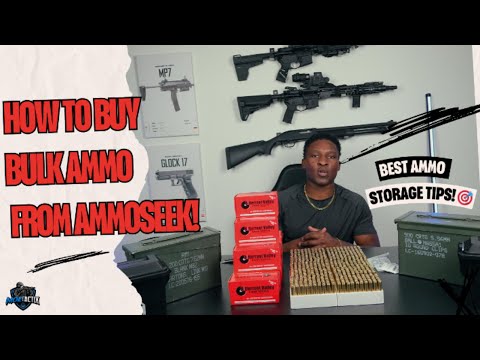
For high-volume drills and practical rifle matches, buying ammo by the case ensures a consistent lot, which is critical for maintaining identical ballistics across hundreds of repetitions. This uniformity allows you to train recoil management and target transitions without adjusting for velocity or point-of-impact shifts between batches. In match settings, a single case lot also provides a reliable reserve for practice sessions and competition day, eliminating the risk of switching loads mid-event. Case lot ammo for high-volume drills reduces per-round cost, enabling more frequent live-fire reps that build muscle memory. Additionally, storing one large lot simplifies inventory tracking and lets you dedicate bulk rounds specifically to positional work and stage rehearsal.
- Verify the case’s lot number matches across all boxes to guarantee identical performance during drills.
- Reserve case lots exclusively for rapid-fire stages, preserving smaller batches for zeroing.
- Cycle through oldest case stock first to avoid pressure variations from long-term storage.